Commercial Refurbishments, Extensions or Rebuilds: What NSW Property Owners Should Consider
In my experience, one of the biggest decisions a property owner can make is whether to refurbish, extend or start again. The right answer depends on the building, the budget and the long-term goals, not a one-size-fits-all approach.
Assessing Existing Building Condition and Services
Early builder involvement is invaluable at this stage. Understanding the condition of the structure, services and compliance obligations before committing to a design direction can save significant time and money later.
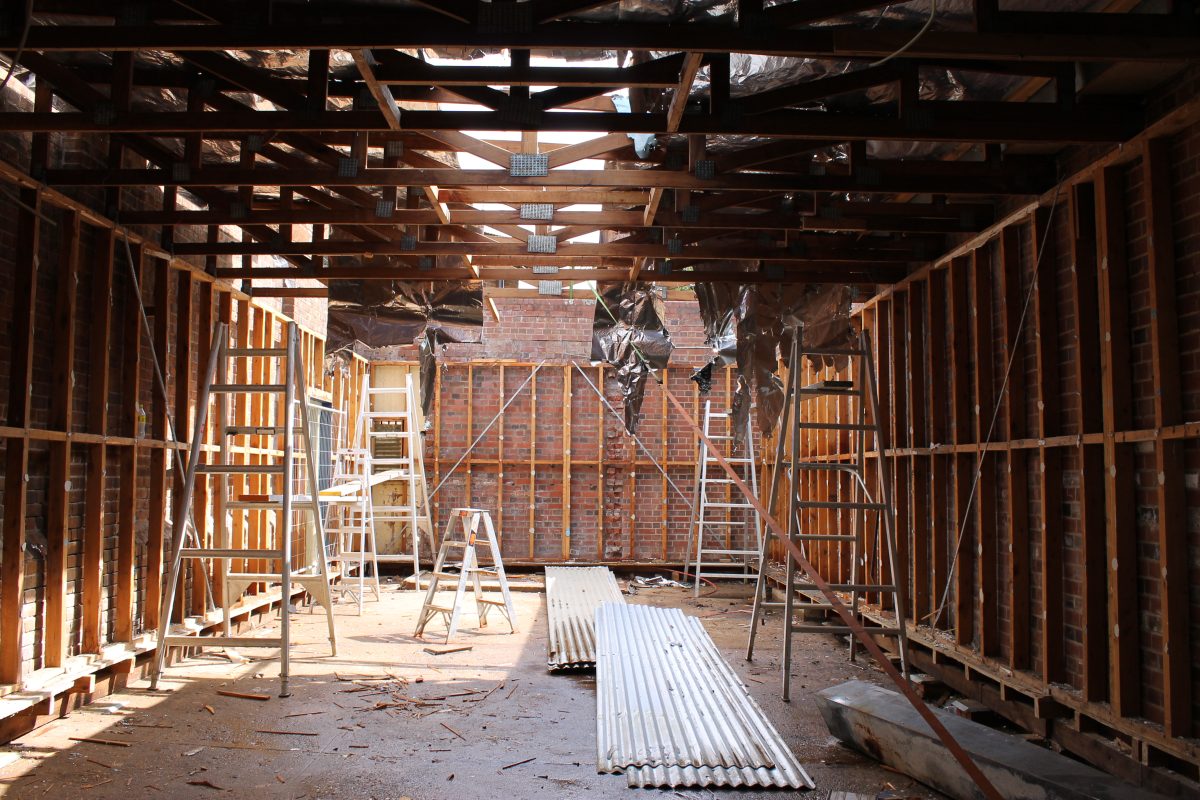
The starting point for any of these decisions is an honest assessment of the existing building, its structure, its services, and its overall condition. A building with sound structure and adequate services is generally a strong candidate for refurbishment or extension. A building with significant structural issues, outdated or failing services, or extensive remediation needs may make a rebuild more cost-effective over the medium term, even though it carries a higher upfront cost.
Compliance and Accessibility in Older Buildings
Older commercial buildings were often built to standards that no longer apply. Bringing a building up to current compliance and accessibility requirements, fire safety, accessible amenities, egress, can be straightforward in some buildings and genuinely difficult in others, depending on the existing structure and layout. This is one of the areas where a detailed assessment before committing to a path matters most, since the cost of retrofitting compliance into an unsuitable layout can change the economics of a refurbishment significantly. It is also where a builder’s own quality and compliance systems make a genuine difference to how thoroughly that assessment is done.
Structural Limitations
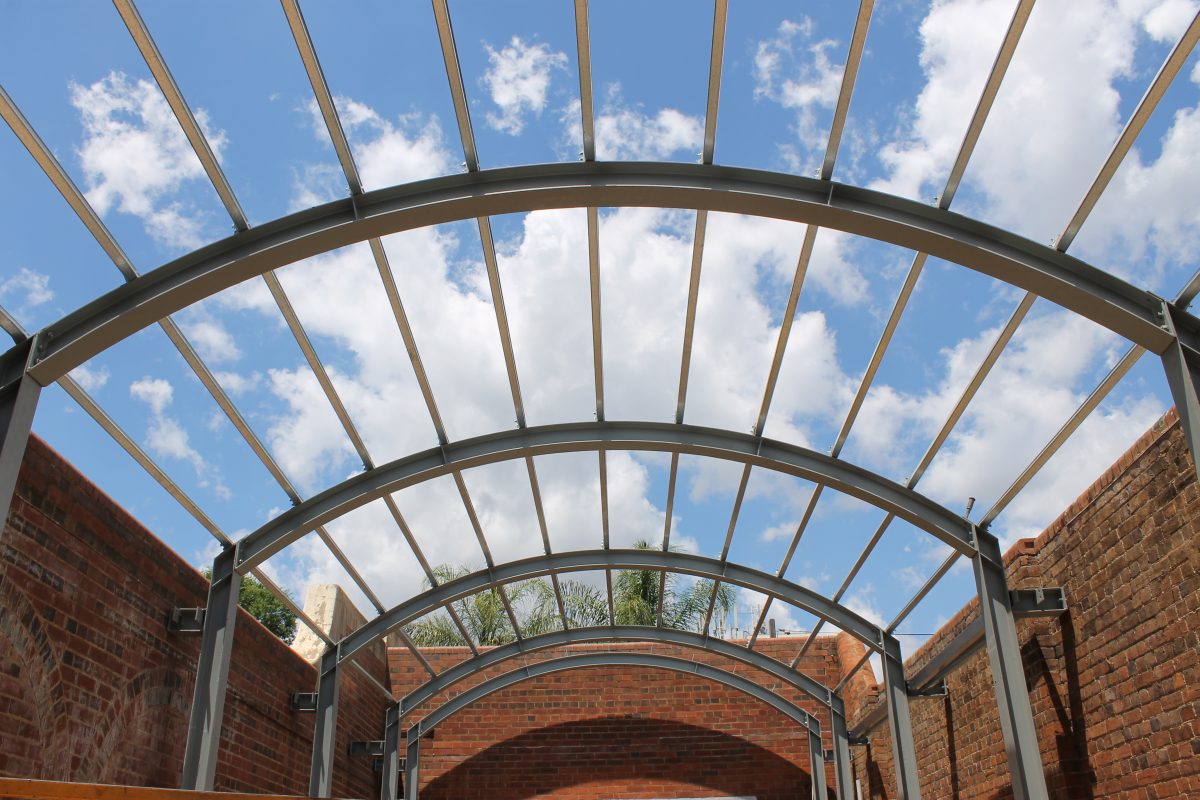
Extensions in particular are constrained by what the existing structure can support. Adding load, whether that is an additional storey, heavier plant or equipment, or a larger footprint, depends on what the existing footings and structure were designed for. A structural assessment early in the process avoids committing to a design direction that turns out not to be feasible once it is properly engineered.
Business Disruption and Staging
For an operating business, the disruption caused by construction is often as significant a factor as the direct cost. Sometimes that means closing for a defined period, as was the case at the Western Plains Automotive showroom extension in Dubbo, where minimising the closure period was as important as the construction cost itself. In other cases, a refurbishment or extension can be staged to allow a business to keep operating throughout, as at the Charlestown Presbyterian Church redevelopment, where the existing building continued to serve its congregation while new construction was integrated around it. Either way, the cost and disruption of the construction period, not just the finished result, needs to be factored into the comparison. The same staged approach benefits homeowners undertaking major renovations, allowing many families to remain in their homes for parts of the project while minimising disruption wherever practical.
Lifecycle Costs
The cheapest option today is not always the cheapest option over the life of the building. A refurbishment that leaves ageing services or an inefficient layout in place may cost less upfront but more over time in maintenance and operating costs. Weighing refurbish, extend or rebuild properly means looking at lifecycle cost, not just the initial construction budget.
What This Looks Like in Practice
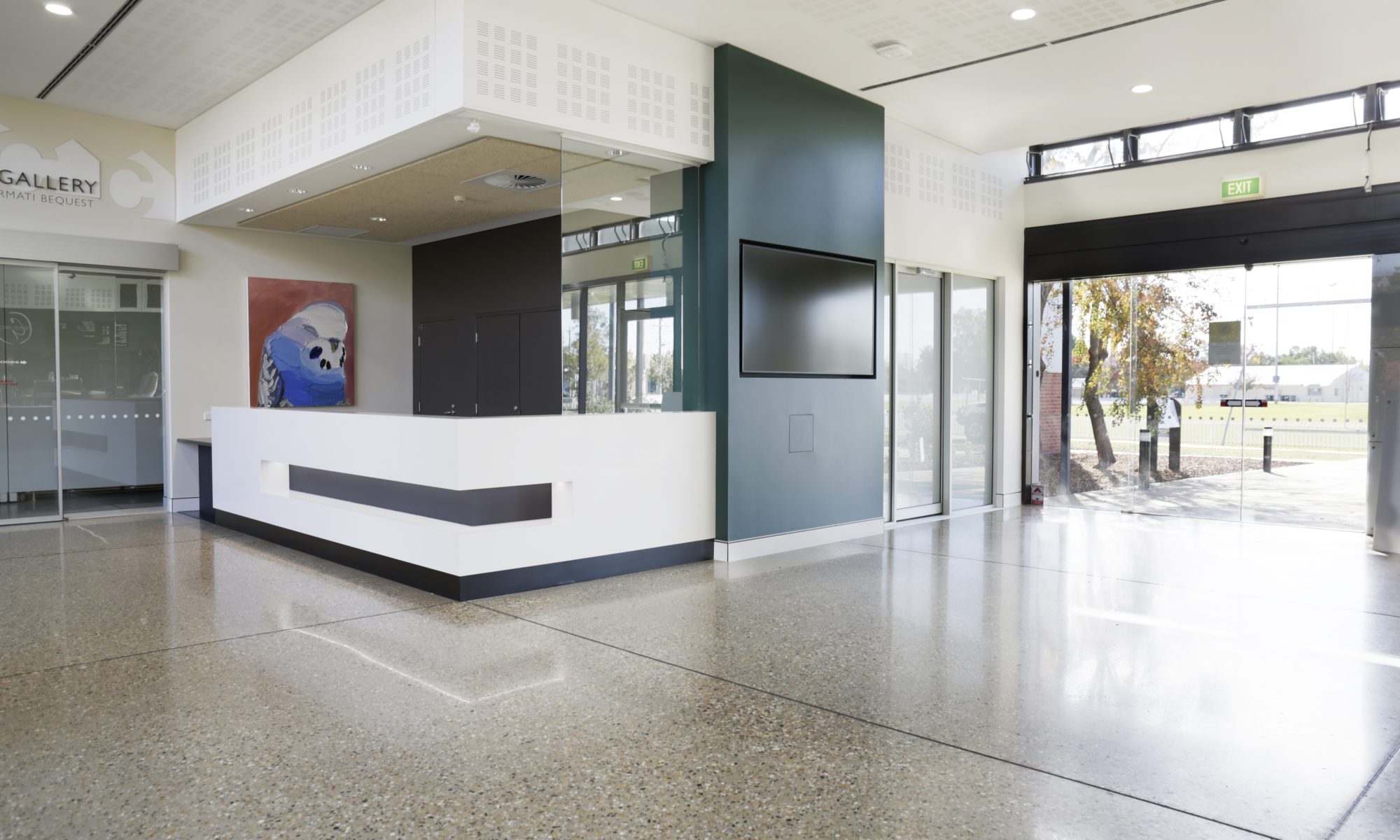
The heritage refurbishment of Old Dubbo Gaol for Dubbo Regional Council is a clear example of refurbishment chosen deliberately over rebuild, driven by the heritage value of the existing structure rather than cost alone, and delivered through a staged approach that kept the site operating throughout. At the other end of the spectrum, projects like the office refurbishment delivered for Transport for NSW in Glen Innes show how an existing commercial building can be brought up to a modern operational standard without a full rebuild, provided the underlying structure and services support it. Many of our repeat clients engage us early because they value practical advice before investing heavily in design or documentation, understanding the opportunities and constraints of an existing building is one of the most valuable services a builder can provide.
Common Questions on Refurbish, Extend or Rebuild
How do I know if my building should be refurbished or rebuilt?
It generally comes down to the condition of the existing structure and services. If both are sound, refurbishment or extension is usually more cost-effective. If there are significant structural or services issues, a rebuild may offer better value over the medium term despite the higher upfront cost.
What adds the most cost to a commercial refurbishment?
Bringing an older building up to current compliance and accessibility standards is often the largest and least predictable cost in a refurbishment, particularly where the existing layout was not designed with those requirements in mind.
Can a business keep operating during a refurbishment?
In many cases yes, with the right staging and construction program. It depends on the scope of works and the layout of the building, but OMNI has delivered multiple commercial refurbishments where the client continued operating throughout construction.
Weighing Up Your Options?
Whether you’re considering refurbishing, extending or rebuilding a commercial property, or planning a major architect-designed home renovation, OMNI Building Group can help you make an informed decision. We predominantly deliver commercial projects across Newcastle, Dubbo and regional NSW while also undertaking a select number of architect-designed custom homes and major renovations. Contact our team for an honest assessment of your building.