Heritage Building Refurbishment in NSW: Building Within a Heritage-Listed Site at Old Dubbo Gaol
In my experience, heritage refurbishment is one of the most demanding forms of construction. Every decision must balance preserving the building’s history with delivering a safe, functional asset for future generations.
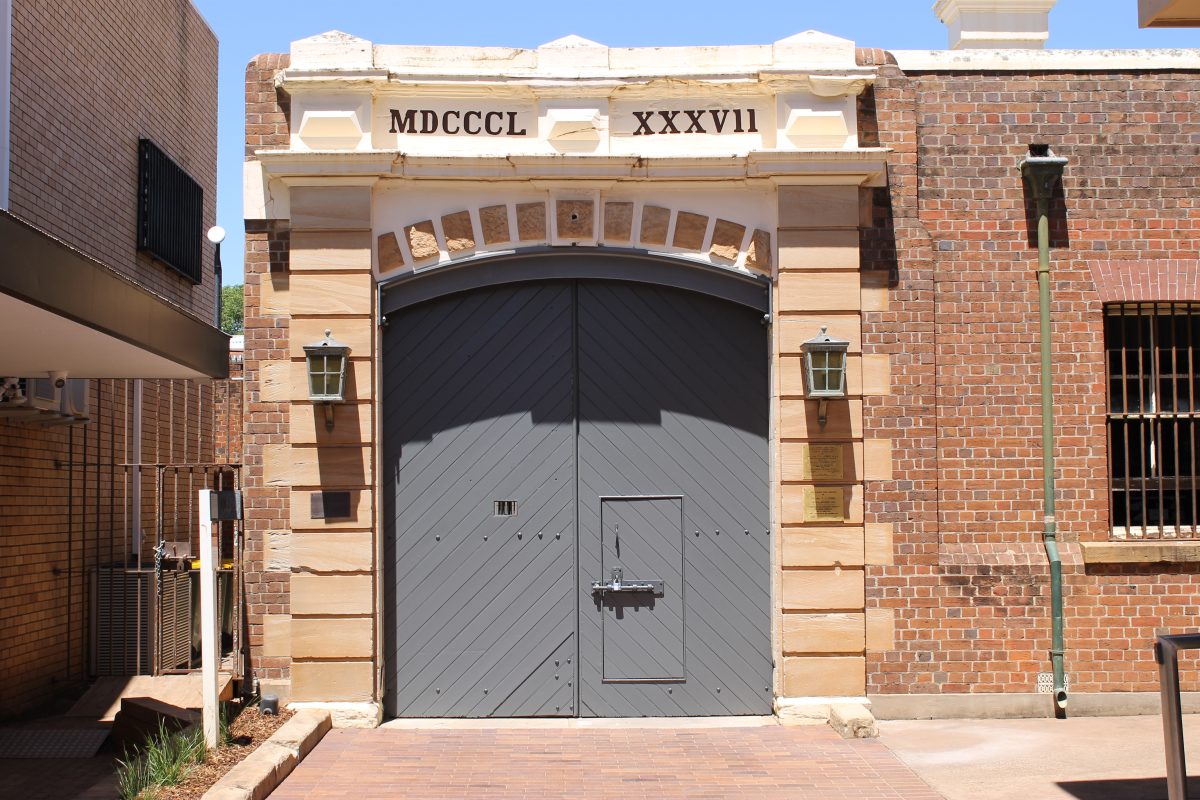
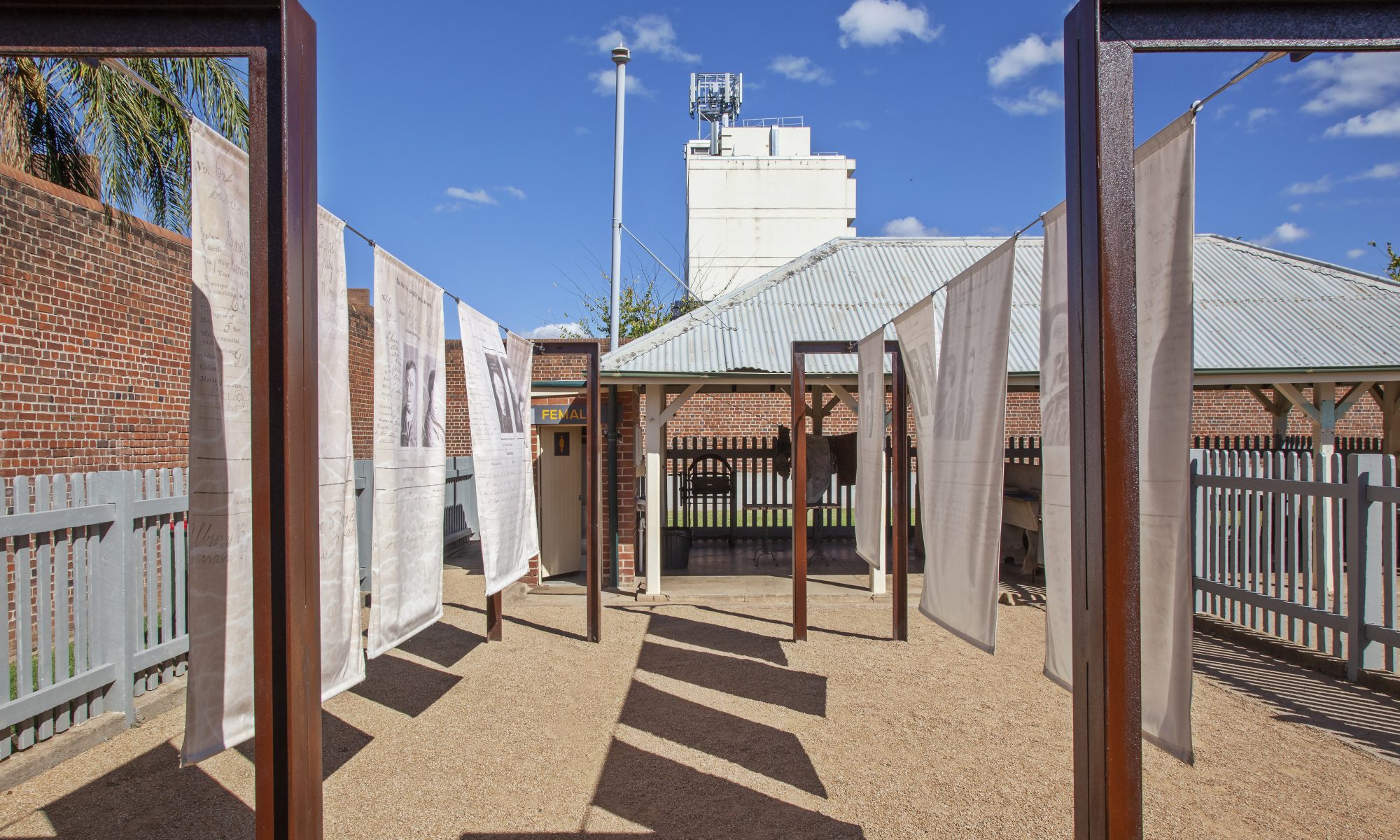
OMNI Building Group was engaged by Dubbo Regional Council to deliver an eight-month refurbishment of the Old Dubbo Gaol, one of the region’s most recognisable historical landmarks, dating back to the 1800s. As a state heritage-listed site, the project required a careful, staged approach that balanced modernisation with preservation, and it stands as one of the clearest examples of adaptive reuse construction in OMNI’s portfolio.
While this was a commercial heritage project, the same principles apply to architect-designed homes and heritage residences. Respecting the original building, using appropriate materials and carefully integrating new work are essential to achieving a successful outcome.
The Brief
The refurbishment needed to preserve and protect the Gaol’s heritage features, upgrade infrastructure to improve safety and accessibility, enhance the visitor experience through subtle modernisation, and maintain site operations with minimal disruption throughout. The completed scope included structural repairs to brickwork, sandstone and timber elements, refurbishment of cells, towers, pathways and entry gates, restoration of original heritage joinery and ironwork, electrical upgrades to support exhibit lighting and emergency systems, accessibility improvements including ramps and handrails, drainage and waterproofing works, and heritage-specific painting and finishes throughout.
Three Challenges Specific to Heritage Sites
Working on a heritage-listed site brought a set of challenges that do not apply to a standard commercial refurbishment.
The first challenge was compliance. Heritage projects demand close collaboration with councils, heritage consultants and specialist trades. Every decision must be documented and approved to protect the significance of the building.
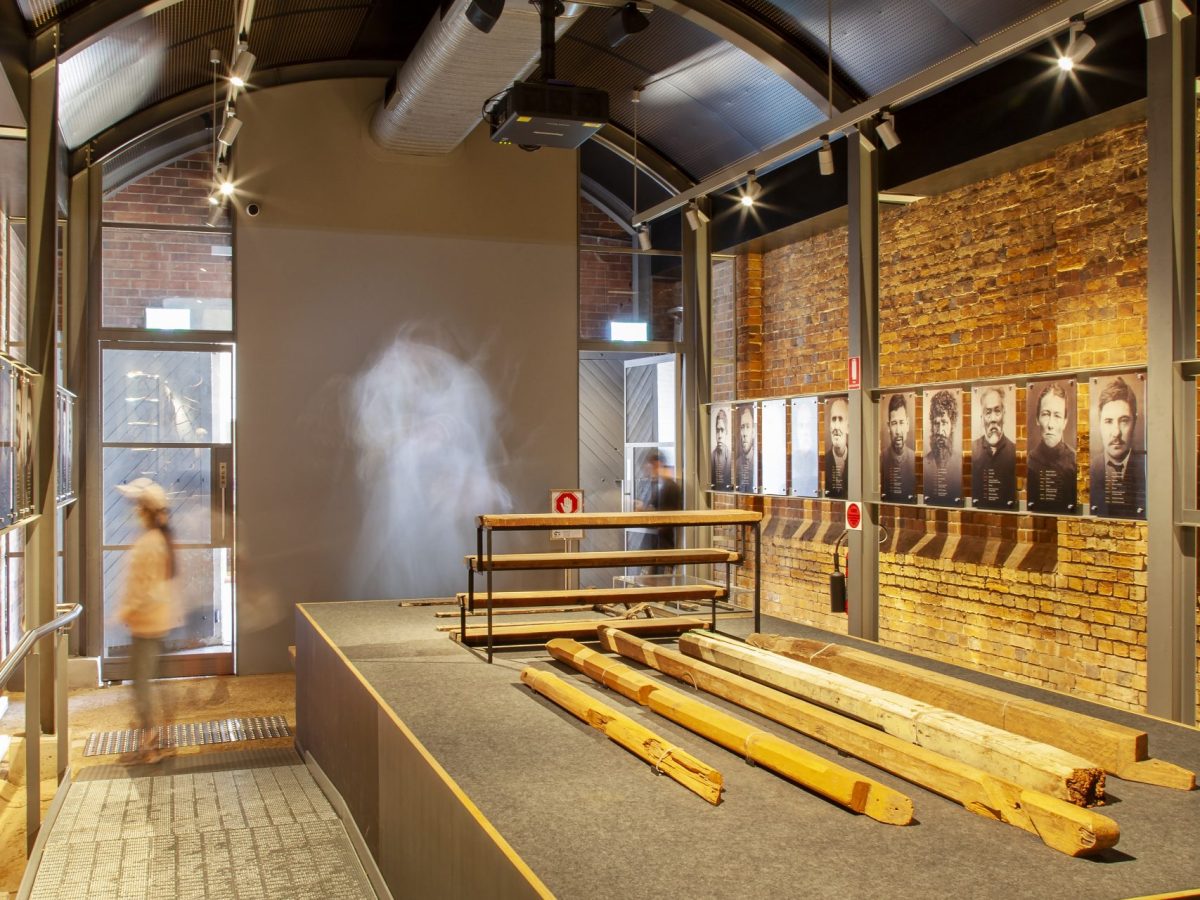
The second was public access. The Gaol remained open to visitors for the duration of the project, so a staged delivery approach was adopted to maintain public safety and business continuity, with minimal impact on tourism to the site. Staging works around an operating tourist attraction meant sequencing construction zones carefully, coordinating with council and site staff on visitor routes, and keeping the more disruptive elements of the build away from areas still open to the public wherever possible, the same discipline that applies to any construction project in a live, operational environment.
The third was materials. Matching the original construction materials was essential to preserving the integrity of the building, which meant engaging local heritage suppliers and carrying out rigorous testing to confirm compatibility with the existing structure before anything was installed. Sourcing materials that genuinely match a structure built in the 1800s is rarely as simple as ordering a modern equivalent, and getting it wrong can compromise both the heritage approval and the long-term integrity of the repair.
The same attention to detail applies when restoring architect-designed homes or significant residential properties, where matching existing materials and craftsmanship is often critical to preserving the home’s character.
Working With Council and Conservation Specialists
A heritage project of this scale is never delivered by a builder working in isolation. Throughout the refurbishment, OMNI worked closely with Dubbo Regional Council and heritage conservation specialists to make sure that decisions made on site matched what had been approved on paper, and that any unexpected conditions uncovered during the works, common on a building of this age, were assessed and resolved without compromising the heritage outcome or the project programme.
The Outcome
The success of this project came from early planning, strong communication with Dubbo Regional Council and conservation specialists, and a commitment to solving problems without compromising the heritage significance of the site.
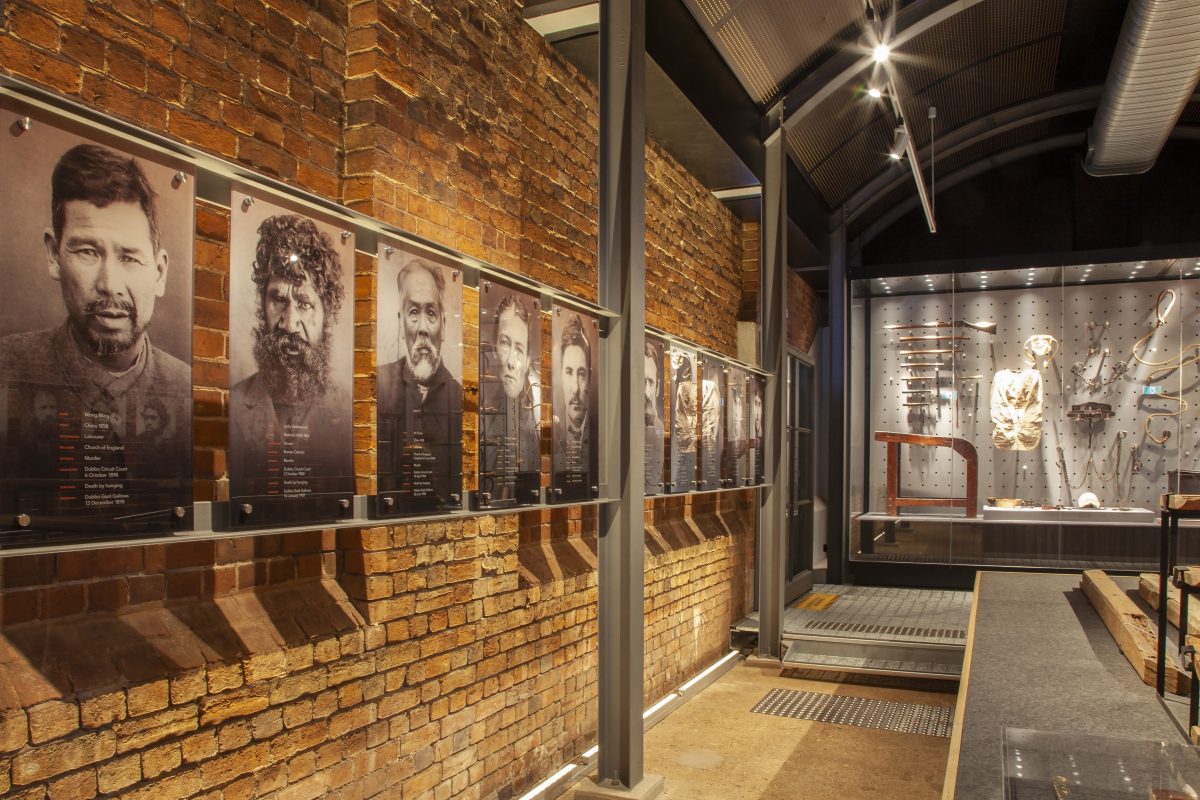
The completed project delivered full preservation and restoration of key heritage elements, improved site safety, accessibility and infrastructure, modern visitor amenities integrated seamlessly into the space, and continued public operation throughout the project duration. Beyond the physical outcome, the project reinforced the Gaol’s role as a piece of regional history, supported local tourism through uninterrupted site access, minimised waste by reusing original materials where possible, and demonstrated OMNI’s capability in delivering high-stakes heritage projects, feedback we hear echoed in testimonials from clients across our other commercial work.
“Omni were professional throughout the project, with the heritage of our building they continuously were problem solving to find solutions and keep the integrity of the project and spaces. We have continued other smaller projects with the Omni team because of their respect and understanding of the job. They delivered on-time, communicated at all times and produced high quality work for optimum results. As a business we have since won multiple awards for their work.”
— Julie Webster, Dubbo Regional Council
What This Means for Other Heritage Owners
Many of our repeat clients engage us because they know we take the time to understand the existing building before recommending solutions. That philosophy carries across our commercial work and the select architect-designed homes we deliver.
Councils, institutions and private owners considering a heritage refurbishment face a common set of questions: how to modernise without compromising heritage value, how to keep a site operating throughout construction, and how to manage the additional approvals a heritage listing brings. The approach taken at Old Dubbo Gaol, early engagement with conservation specialists, staged delivery around ongoing operations, and rigorous material sourcing, is transferable to most heritage-listed commercial and civic buildings across NSW.
Planning a Heritage Refurbishment?
Heritage building refurbishment requires a builder who understands construction, compliance and collaboration. OMNI Building Group predominantly delivers commercial heritage and adaptive reuse projects across Newcastle, Dubbo and regional NSW while also undertaking a select number of architect-designed custom homes and heritage-sensitive residential renovations. Get in touch to discuss your site.